Case Study


Advancements in Robotics and Cobots Using Interface Sensors


Sophisticated robotics use cases are growing due to robust investments in innovation and capabilities enhanced by sensors. The applications are universal across industries. Robotics are valuable for helping with two distinct types of jobs, those that require high precision in which a human hand is not viable and very monotonous and repetitive tasks. Companies around the world are utilizing robotics in manufacturing, aerospace and defense, medical, automotive, industrial automation, and entertainment.


Case Study Summary

  • About

    Sophisticated robotics use cases are growing due to robust investments in innovation and capabilities enhanced by sensors. The applications are universal across industries. Robotics are valuable for helping with two distinct types of jobs, those that require high precision in which a human hand is not viable and very monotonous and repetitive tasks. Companies around the world are utilizing robotics in manufacturing, aerospace and defense, medical, automotive, industrial automation, and entertainment.

    One of the fastest growing forms of robotics in manufacturing and engineering disciplines is cobots. These collaborative robots are a type of robot designed to work together, within safe proximity, with a human operator to accomplish a task. Cobots are typically equipped with sensors, cameras, and other technologies that allow them to detect the presence of humans and react accordingly. This can include slowing down, stopping, or changing direction to avoid collisions or other safety hazards. Cobots are often used in tasks that are repetitive, dangerous, or require an elevated level of precision, such as assembly, packaging, or inspection.
  • challenge

    Robotics, including cobots, come in all different shapes, sizes and use cases. Some are simply used to scan products for quality assurance, while more advanced robotics are used in the healthcare field to take on more complex and precise elements of exactness in surgery. The challenge, no one size fits all in testing and embedded use for robotics. Exactness is paramount to ensuring reliability of the robotics platform. Any miscalculations, especially when it comes to force, can cause critical errors.

    High accuracy sensors are required through all testing phases, as well as for any use applications to use sensors within the finished robot. Cobots need to be monitored in real-time to ensure they are finely tuned to collaborative work. When designing and testing cobots, the key is safety. Force testing ensures that a robot collaborating with a human does not injure the operator during performance. It is imperative to sense all actions through measurable data to ensure they are performing all functions normally, and ultimately enhancing efficiency and production.

  • Interface Solutions

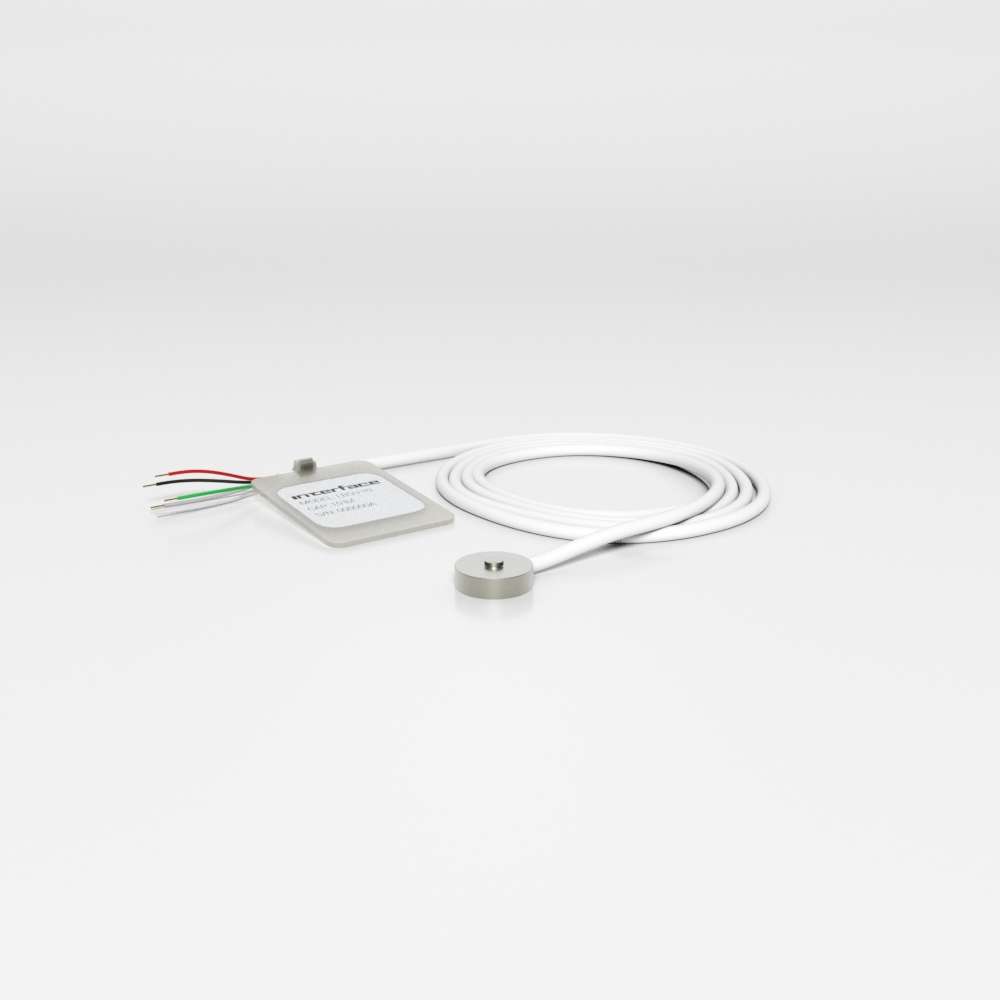
    Interface has a wide range of sensor technologies that are used in the development, testing and use of cobots and robots. Load cells and torque transducers are commonly utilized in testing. Our miniature load cells are often embedded into the robot for real-time monitoring. Our instrumentation solutions provide data acquisition and wireless options.

    One of the developments in force measurement used to test the complex variety of collaborative robotics is multi-axis sensor technology. Multi-axis sensors allow for more comprehensive and accurate data of each of the robot’s movements and the forces it requires for movement and tasks. With our industry-leading reliability and accuracy, our multi-axis sensors provide accurate measurements to safeguard performance. Interface offers a wide variety of multi-axis sensor options including 2-axis, 3-axis, 6-axis, and axial torsion load cell sensors. Interface offers standard and customized options to fit each applications specific requirements.

    To give you an idea of how multi-axis sensors and other force measurement solutions are used to evaluate and monitor robotics, we have proved a variety of application notes providing real-world examples of force measurement in action.

  • 6-Axis Force Plate Secure Cobot Robotic Arm

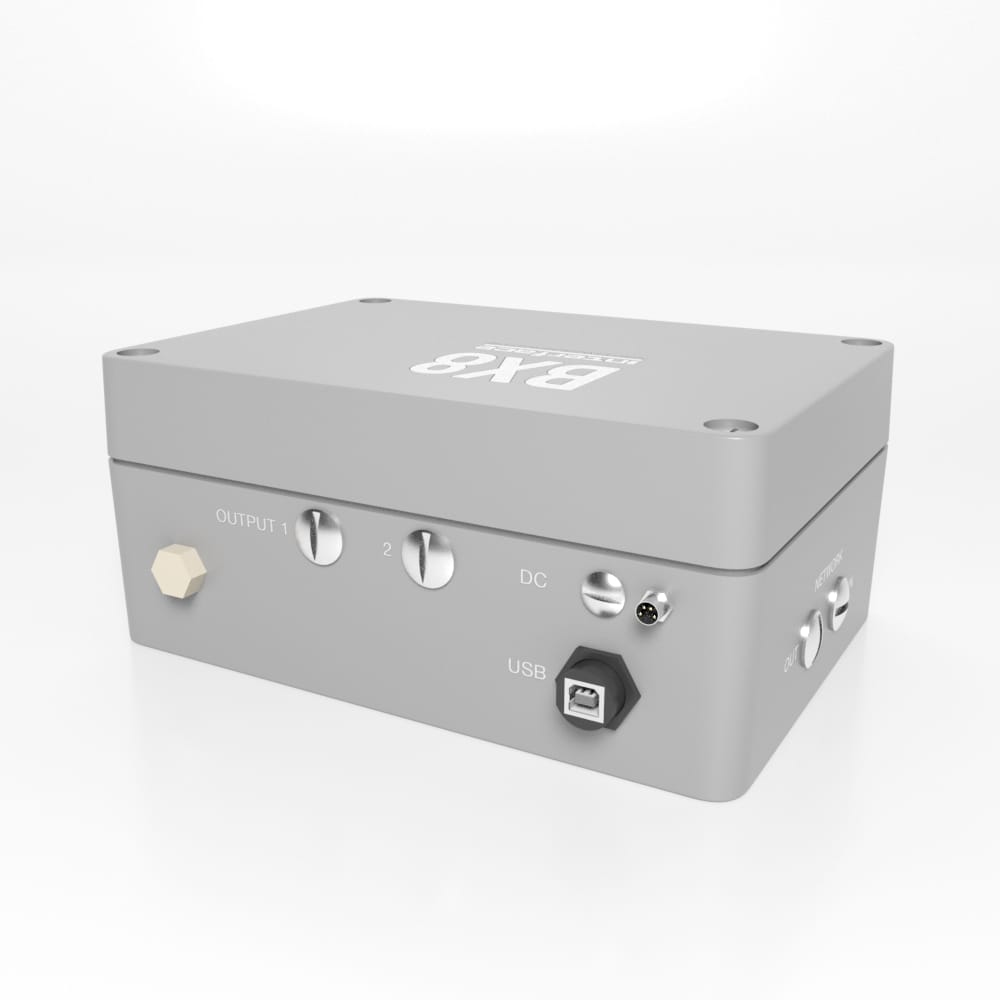
    Working on the production line alongside humans, this robotic arm has to perform with exact force measurements for safety purposes. The reaction loads occurred at the base, so they used Interface’s force plate installed at the base of the robotic arm. Four 3-Axis Force Load Cells were installed between two force plates, then fixed at the bottom of the arm, creating one large 6-Axis Force Plate. The sensor’s force data is recorded and displayed using two BX8 Multi-Channel Bridge Amplifier and Data Acquisition Systems.

  • Cobots in Animatronics

    These animated cobots work alongside entertainment professionals. For a realistic experience and safety, the torque of the limbs must be assessed and monitored. Interface’s MRTP Miniature Overload Protected Flange Style Reaction Torque Transducer were connected to a servo motor in the limbs of the animatronics that make it move. Monitoring the animatronics, the sensors are connected to the BX8-AS BlueDAQ Series Data Acquisition with an Industrial Enclosure.

  • Surgery Force Feedback Using Cobots

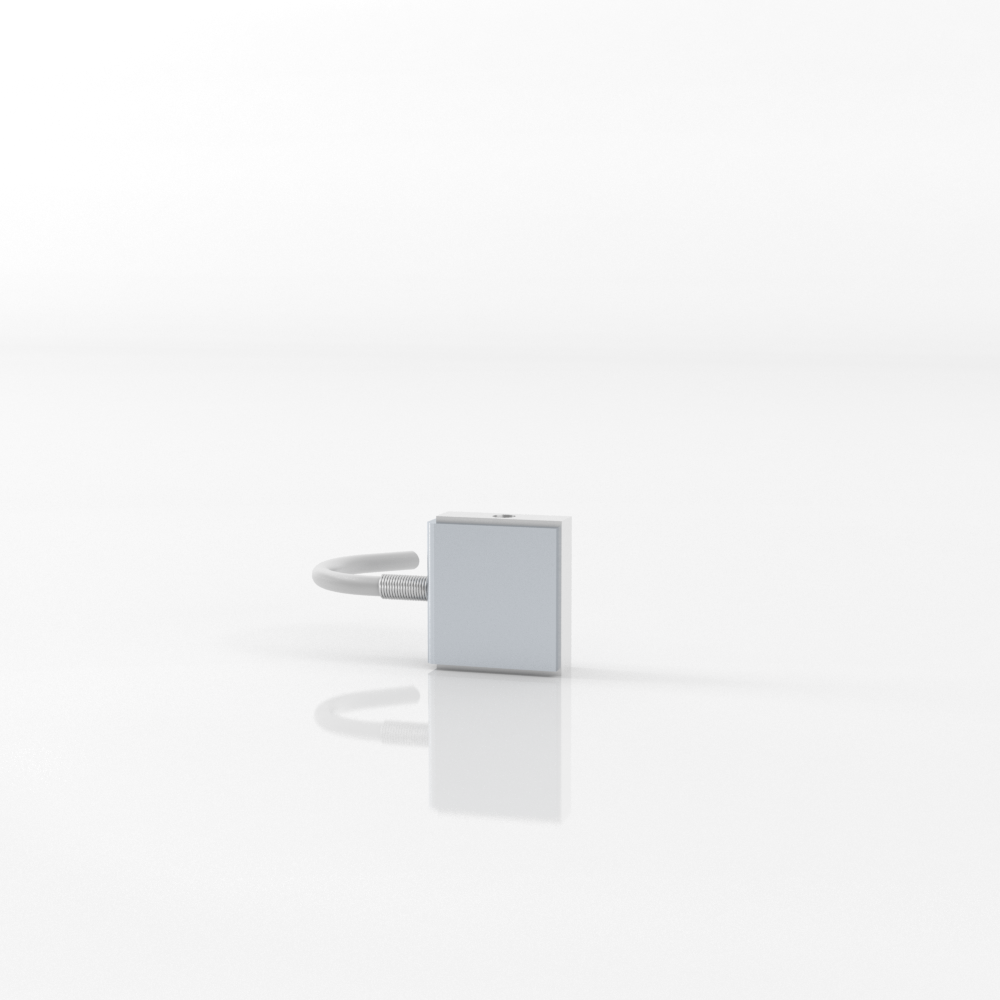
    A biomechanical medical company wanted to test the force, torque, and tactile feedback from their robotic arm for invasive surgery. The surgeon’s movements are mirrored by the robotic arm during surgery, and it was essential all haptic force feedback was measured to ensure safety during invasive surgery. A number of Interface’s force and torque measurement products were used in the design, including our ConvexBT Load Button Load Cell, SMTM Micro S-Type Load Cell, and MRTP Miniature Overload Protected Flange Style Reaction Torque Transducer. Force results can be collected when connected to the BX8 8-Channel Data Acquisition and Amplifier. The force feedback measured the robotic arm ensured that the robot used the perfect amount of force when using surgical tools that create incisions during surgeries. It also measured the torque being produced, ensuring the robot arm was moving smoothly and at the right speeds.

  • learn more

    To learn more about Interface’s work with robotics and other applications fueling industrial automation and innovation across industries, check out our website at staging.interfaceforce.com.