Case Study


Interface Measures Fitness Equipment with Extreme Accuracy


Interface’s specialty is engineering force measurement solutions for testing and monitoring performance of parts and products that move and create force. One of the industries where performance and measurement is critical is in the fitness industry. The fine-tuning and design of equipment must prove to be durable and ensure safe and reliable operation. The global fitness market turns to Interface for standard and custom sensors products that are designed to measure with accuracy.
Case Study Summary

  • challenge

    In the design, R&D and engineering process of fitness equipment, accurate performance data is vital before it advances to manufacturing. This phase ensures equipment is safe and unfailing for users. For example, treadmill controls that move running surfaces must withstand varying speeds and forces over extended periods of use. This requires extensive torque and stress testing. Sensors on the handrails that measure heart rates need to provide accurate data. These requirements are proven trustworthy when using Interface force measurement technologies.

    Many manufacturers are installing sensors into their equipment to measure various forces and provide real-time fitness data to the user or data that a medical professional can use to monitor patients during exercise or movement. These sensors are designed into the product and customized to fit into existing products to enable smart functionality and Internet of Things (IoT) capabilities.

  • Interface Solutions

    Interface provides sensors to manufacturers and testing engineers in the fitness machines sector to use in equipment and devices found in homes, medical centers, gyms, practice fields and at all types of sporting events. The fitness industry uses our precision load cells, torque transducers, multi-axis sensors, miniature sensors, wireless products, and instrumentation. Our products are used in fitness applications such as ellipticals, treadmills, leg press and rowing machines, bicycles, golf equipment and various training machines for all types of sports. Interface sensor technologies are preferred because of the precision, accuracy, range of options, and quality.

  • Designing Fitness Equipment and Machines

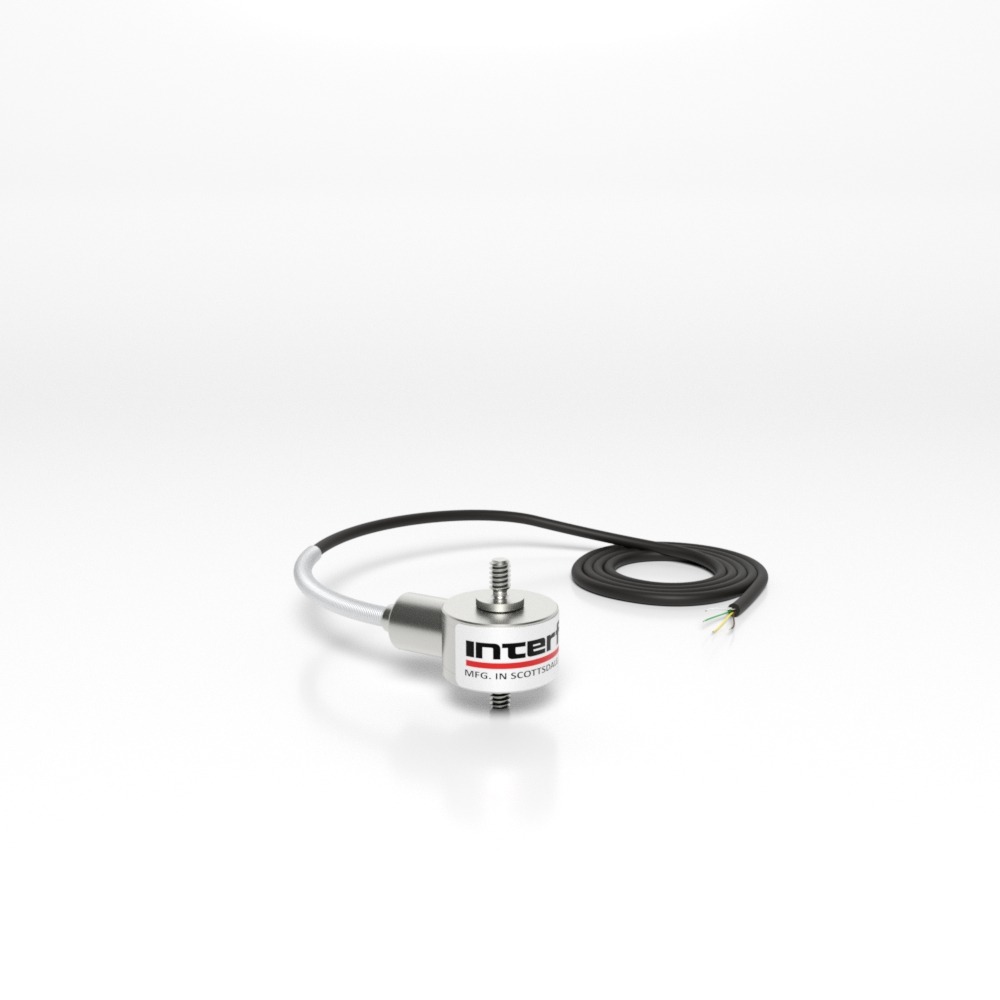
    A fitness machine manufacturer wanted multiple load measurement systems for different fitness machines: elliptical, leg press, rowing, and the cable equipment. The goal of designing sensors into the equipment is to ensure the machines are functioning properly to prevent injuries. The sensors are also used for trainers to conduct strength and endurance tests. Interface provided a combination of products including WMCFP Overload Protected Sealed Stainless Steel Miniature Load Cells, SSB Sealed Beam Load Cells, and AT103 Axial Torsion Force and Torque Transducers. Paired with Interface’s proper instrumentation, the forces are measured, graphed, and displayed during the testing stage. Interface’s products effectively measured forces for those working out and undergoing athletic training. This ensured the machines were operating properly and helped those using them to track their endurance. Based on performance testing, engineers used consumer feedback for design enhancements.

  • Treadmill Rehabilitation

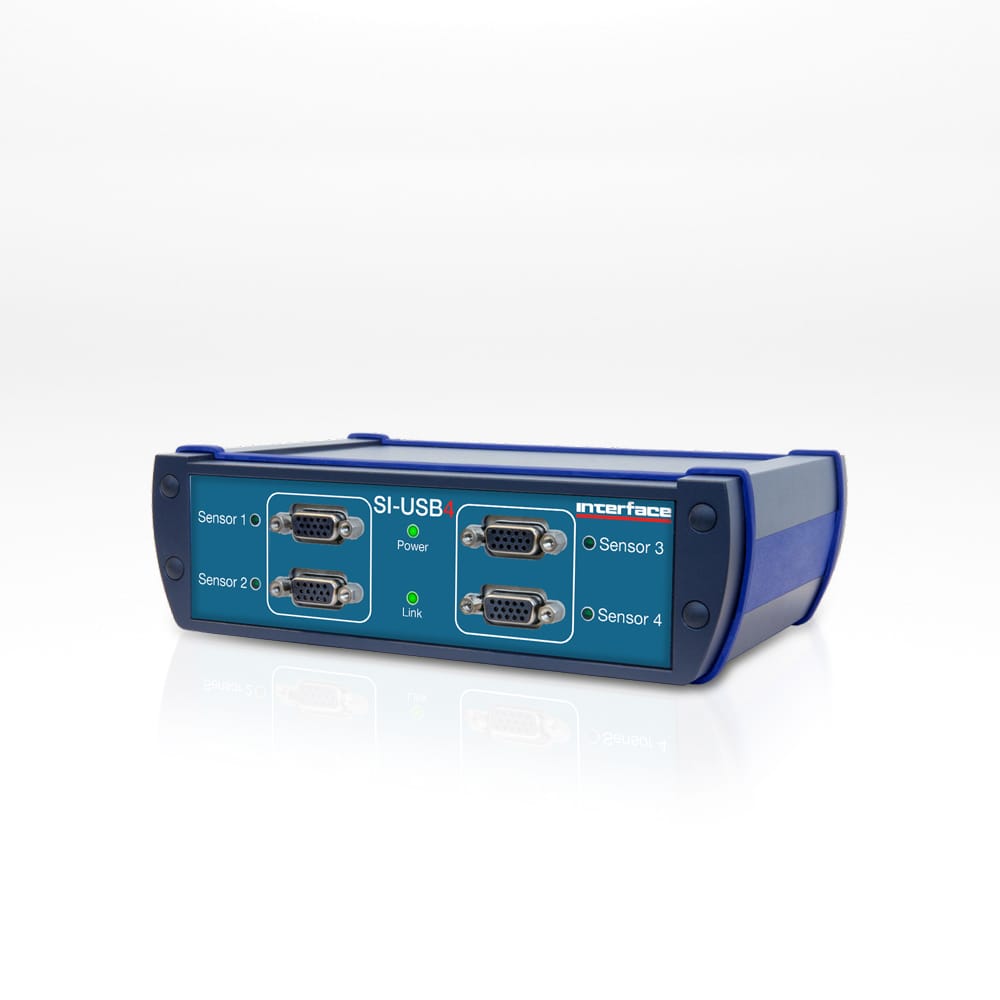
    A medical company needed a force measurement system for their rehabilitation treadmill for patients that have pelvic mobility difficulties. For example, patients who have had strokes tend to have difficulty walking. The goal was to measure the forces applied on the pelvis when the patient is walking on the treadmill and identify any pelvic deviations. The treadmill had a special harness with two actuators on each side of the patient when in use. Interface suggested installing two WMC Sealed Stainless Steel Miniature Load Cells to the actuators to measure the forces applied on the pelvis of the patient. Force results are measured using the SI-USB4 4-Channel USB Interface Module, which can be graphed and logged with supplied VS3 software. The medical company was able to catch different pelvic deviations in their experimental rehabilitation treadmill using Interface’s force measurement system.

  • Bike Power Pedals

    A bike manufacturer wanted to evaluate the functionality of their power pedals. They needed a reliable system to measure how much force the cyclist pushes down onto the bike pedals, and they preferred a wireless system that ccould be paired with their computer to review test results. Interface suggested four Model SML Low Height S-Type Load Cells installed within the bike’s pedals. The four SMLs are paired with two WTS-AM-4 Wireless Strain Bridge Transmitter Modules, which will transmit the force data from the cyclist to the WTS-BS-6 Wireless Telemetry Dongle Base Station Dongle connected to the customer’s computer. Interface will also provide the software needed with their wireless products. The system allowed the bike manufacturer to measure the pedal power applied by the cyclist and wirelessly log the data.

  • learn more

    Interface load cells, torque transducers, and data acquisition systems are ideal for fitness applications, especially those designed for IoT connectivity. Interface products measure all types of force, weight, and torque in fitness equipment. Our engineers will collaborate with you to create the most effective and efficient solutions.