Solution


Force Testing for AI-Driven Aircraft

Defense contractors and aerospace researchers developing AI-driven military aircraft require high-accuracy physical load data to train and validate predictive flight and structural models. These systems rely on AI algorithms to understand how the airframe and control surfaces behave under varying loads, forces, and maneuvers. To build these models, engineers must capture real-world force and torque data from wings, control actuators, aerodynamic structures, and load-critical components during ground and flight tests.

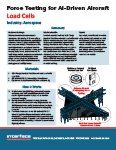
ForceTestngAIAircraft Graphic

Summary

  • Customer Need / Challenge

    Defense contractors and aerospace researchers developing AI-driven military aircraft require high-accuracy physical load data to train and validate predictive flight and structural models. These systems rely on AI algorithms to understand how the airframe and control surfaces behave under varying loads, forces, and maneuvers. To build these models, engineers must capture real-world force and torque data from wings, control actuators, aerodynamic structures, and load-critical components during ground and flight tests.
  • Interface Solution

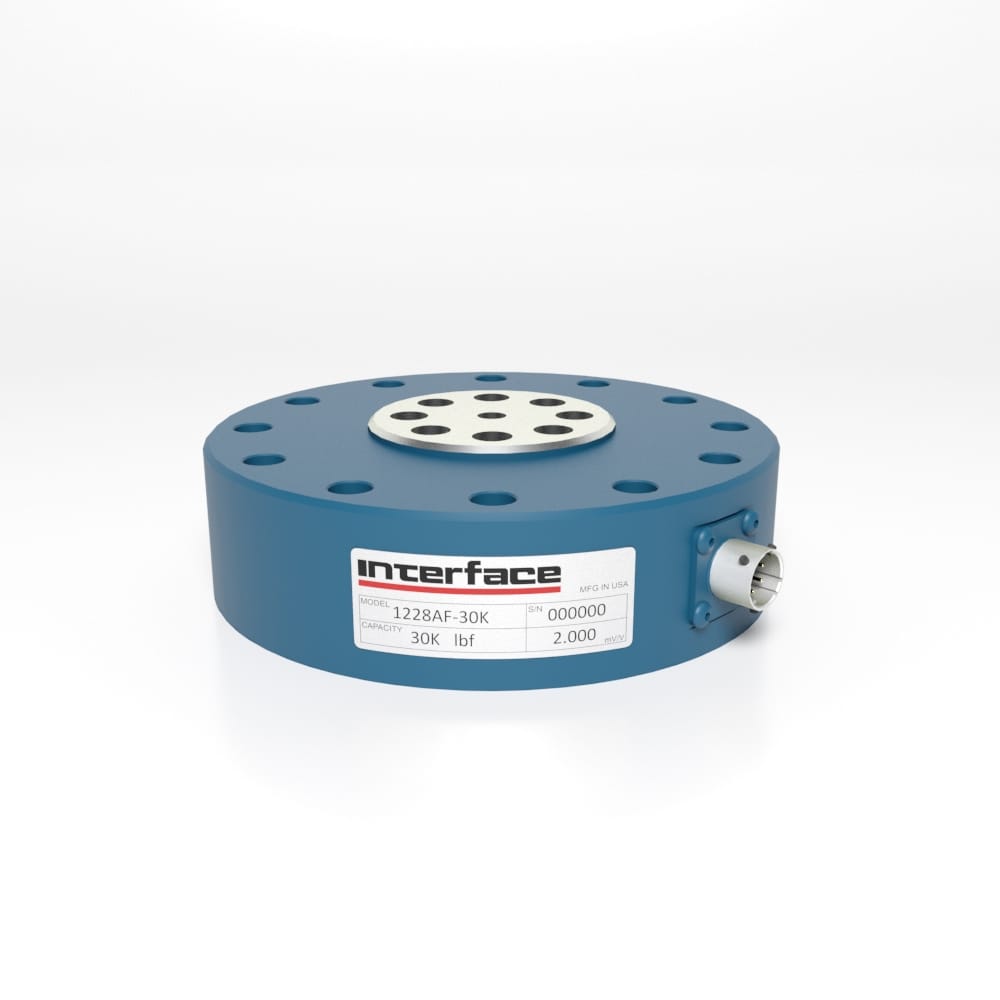
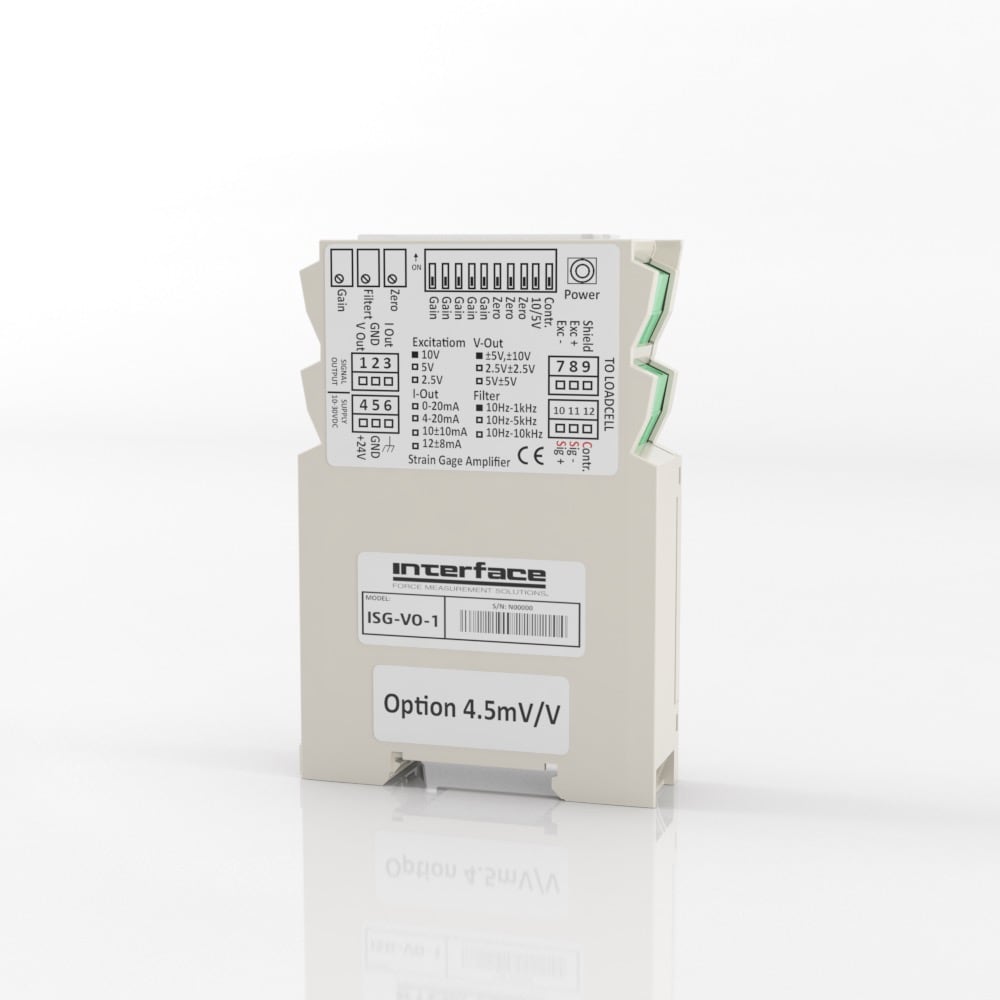
    Interface supplied multiple 1208 Flange Standard Precision Universal LowProfile Load Cells to measure structural and actuator forces on the aircraft during controlled testing, like static stress testing or wing fatigue testing. Load cells were integrated into aerodynamic load rigs and actuator test stands to capture applied forces and reaction loads. The force data was recorded and integrated when connected to the ISG Isolated DIN Rail Mount Signal Conditioner, and into the customer’s databases used for AI model training.

  • Results

    As a result, the collected force data using Interface’s load cells enabled the customer’s AI systems to map how the aircraft structure flexes, reacts, and distributes loads under different conditions, providing clean and reliable training inputs for control algorithms and predictive maintenance models.

Materials


  • 1208 Flange Standard Precision Universal LowProfile Load Cells
  • ISG Isolated DIN Rail Mount Signal Conditioner
  • Customer’s hydraulic control system and static rig

How it Works


  1. Multiple Interface 1208 Flange Standard Precision Universal LowProfile Load Cells are installed into a static rig with actuator test stands to monitor structural integrity.
  2. During controlled aerospace testing scenarios, such as static stress tests or wing fatigue cycles, the 1208’s capture the applied forces and reaction loads experienced by key aircraft component undergoing the tests.
  3. The force data is sent to the ISG Isolated DIN Rail Mount Signal Conditioner and stored within secure databases. The recorded force datasets are then used to train and validate AI models that predict structural behavior, detect anomalies, and optimize autonomous flight algorithms.

Download PDF